Γιατί τα ξυραφάκια δεν είναι η καλύτερη επιλογή για ξύρισμα (ή μήπως είναι η… χειρότερη;)

Why razors aren't the best choice for shaving (or are they the... worst?)

The razor is perhaps the most widely used hair removal tool in the world. Cheap, fast, "easy." But is it really the best option? Or have we become accustomed to something that actually does more harm than we think?

Let's look at it a little deeper — and a little more… conspiratorially.


🔪 1. The razor cuts, it doesn't remove

Image

Image

Image

Image

The razor cuts the hair at the surface of the skin. It does not remove it from the root.

What does this mean?

  • The hair reappears in 1–3 days.

  • A "harder" feeling is created to the touch.

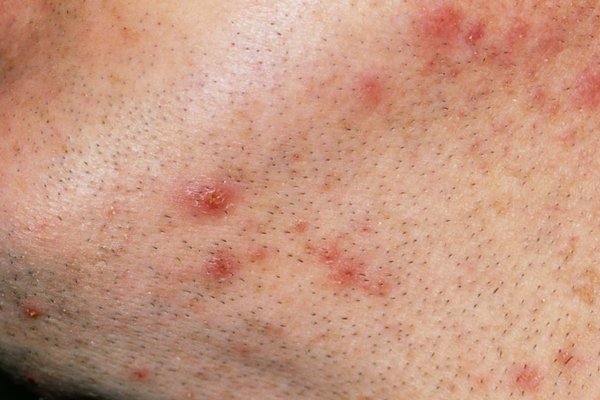
  • The possibility of folliculitis and ingrown hairs increases.

Essentially, you shave more often. And the more often you shave, the more dependent you become on the product.

Coincidence;


🔥 2. Irritations, minor injuries and inflammations

Skin is not made to be constantly "scraped" with blades.

Each pass:

  • Removes natural oils

  • Causes micro cuts

  • Disrupts the epidermal barrier

Result:

  • Redness

  • Itching

  • Dryness

  • Burning sensation

If you have sensitive skin, a razor may be the worst choice.


🧴 3. The "trap" of consumables

Razors are not sold alone.

You need:

  • Shaving foam or gel

  • Aftershave

  • Moisturizing

  • Replacement heads

The initial cost seems low. But the long-term cost?

This is where the conspiracy thinking begins:

Is the system designed so that:

  • Shave often.

  • To irritate the skin

  • Need more products

And buy... again and again?


🧬 4. The illusion of "thicker hair"

One of the biggest myths is that razors make hair grow back thicker.

In reality:

  • It does not change the structure of the hair.

  • It just cuts off the naturally thin end.

  • New growth looks "harder" because it is flat.

But the feeling remains rough. And that feeling makes you want to shave again.

A never-ending cycle.


🕵️ The shaving "conspiracy"

Let's put it bluntly:

The industry benefits from:

  • The frequency of use

  • Consumables

  • Skin restoration products

The razor is fast.
It's convenient.
But it is also the most repeated method of hair removal.

And what is repeated... sells.


🧠 Final thought

The razor is not "bad".
But it's rarely the best solution for long-term skin care.

If:

  • You shave every 2 days.

  • You constantly have irritations.

  • You spend a lot on products

Maybe it's time to reconsider the "convenient" option.

Sometimes what seems simple… is just the most well-established habit.

Why razors aren't the best choice for shaving (or are they the... worst?)

Γιατί τα ξυραφάκια δεν είναι η καλύτερη επιλογή για ξύρισμα (ή μήπως είναι η… χειρότερη;)

Why razors aren't the best choice for shaving (or are they the... worst?)

The razor is perhaps the most widely used hair removal tool in the world. Cheap, fast, "easy." But is it really the best option? Or have we become accustomed to something that actually does more harm than we think?

Let's look at it a little deeper — and a little more… conspiratorially.


🔪 1. The razor cuts, it doesn't remove
Image

Image

Image

Image

The razor cuts the hair at the surface of the skin. It does not remove it from the root.

What does this mean?

  • The hair reappears in 1–3 days.

  • A "harder" feeling is created to the touch.

  • The possibility of folliculitis and ingrown hairs increases.

Essentially, you shave more often. And the more often you shave, the more dependent you become on the product.

Coincidence;


🔥 2. Irritations, minor injuries and inflammations

Skin is not made to be constantly "scraped" with blades.

Each pass:

  • Removes natural oils

  • Causes micro cuts

  • Disrupts the epidermal barrier

Result:

  • Redness

  • Itching

  • Dryness

  • Burning sensation

If you have sensitive skin, a razor may be the worst choice.


🧴 3. The "trap" of consumables

Razors are not sold alone.

You need:

  • Shaving foam or gel

  • Aftershave

  • Moisturizing

  • Replacement heads

The initial cost seems low. But the long-term cost?

This is where the conspiracy thinking begins:

Is the system designed so that:

  • Shave often.

  • To irritate the skin

  • Need more products

And buy... again and again?


🧬 4. The illusion of "thicker hair"

One of the biggest myths is that razors make hair grow back thicker.

In reality:

  • It does not change the structure of the hair.

  • It just cuts off the naturally thin end.

  • New growth looks "harder" because it is flat.

But the feeling remains rough. And that feeling makes you want to shave again.

A never-ending cycle.


🕵️ The shaving "conspiracy"

Let's put it bluntly:

The industry benefits from:

  • The frequency of use

  • Consumables

  • Skin restoration products

The razor is fast.
It's convenient.
But it is also the most repeated method of hair removal.

And what is repeated... sells.


🧠 Final thought

The razor is not "bad".
But it's rarely the best solution for long-term skin care.

If:

  • You shave every 2 days.

  • You constantly have irritations.

  • You spend a lot on products

Maybe it's time to reconsider the "convenient" option.

Sometimes what seems simple… is just the most well-established habit.